Is ‘annoyance and nuisance’ enough to get a criminal record?

In June 2010 Deputy Prime Minister Nick Clegg said that he wanted to see “spaces where children can play, where they can feel completely free, where they can safely push at the boundaries, learning and experimenting. Places where different generations can meet, binding the community together.” In 2008 – in a report on childhood launched by David Cameron himself – the Tories declared, “We must allow our children to be seen and heard.”

The proposed legislation to criminalise children for “causing nuisance and annoyance” is a betrayal of these words and actions, and a shameful move by the Coalition government. It is a slap in the face to children – who let’s remember, are not so much couch potatoes as couch prisoners, and already have to overcome safety fears, traffic danger, and official hostility in order to enjoy that most basic of childhood pleasures, playing outside. It pulls the rug out from under parents who are trying to give their children a little more freedom. And it is (irony of ironies) profoundly anti-social, since it is likely to deprive children of the very kind of everyday experiences that help them learn how to become responsible citizens. Please do what you can to support Play England – and what I suspect will be a growing list of other concerned people – in fighting it.

Cath Prisk's avatarLove Outdoor Play

So when you were 10, 12, 15, could you be ‘annoying’? Could you be a ‘nuisance’?

I interviewed my grandmother recently about what she did as a young girl.

She is now nearly 90 and has led, I think it’s fair to say, an almost blameless life. Yet as a young girl her and her group of friends would run up to houses, knock on the doors and run away…

Well if the new Anti-social Behaviour, Crime and Policing Bill 2013-14 gets passed, behaviour that my grandmother got up to could conceivably land her with a criminal record.

I’m no expert on this sort of issue – I’m an ex-teacher, done some community development, and spent the last five years promoting and leading programmes and campaigning to get kids more freedom to play. But my colleagues at the Standing Commitee on Youth Justice are. As are the Association of Chief…

View original post 254 more words
Supporting a balanced approach to risk in schools: what I am doing, and how you can help

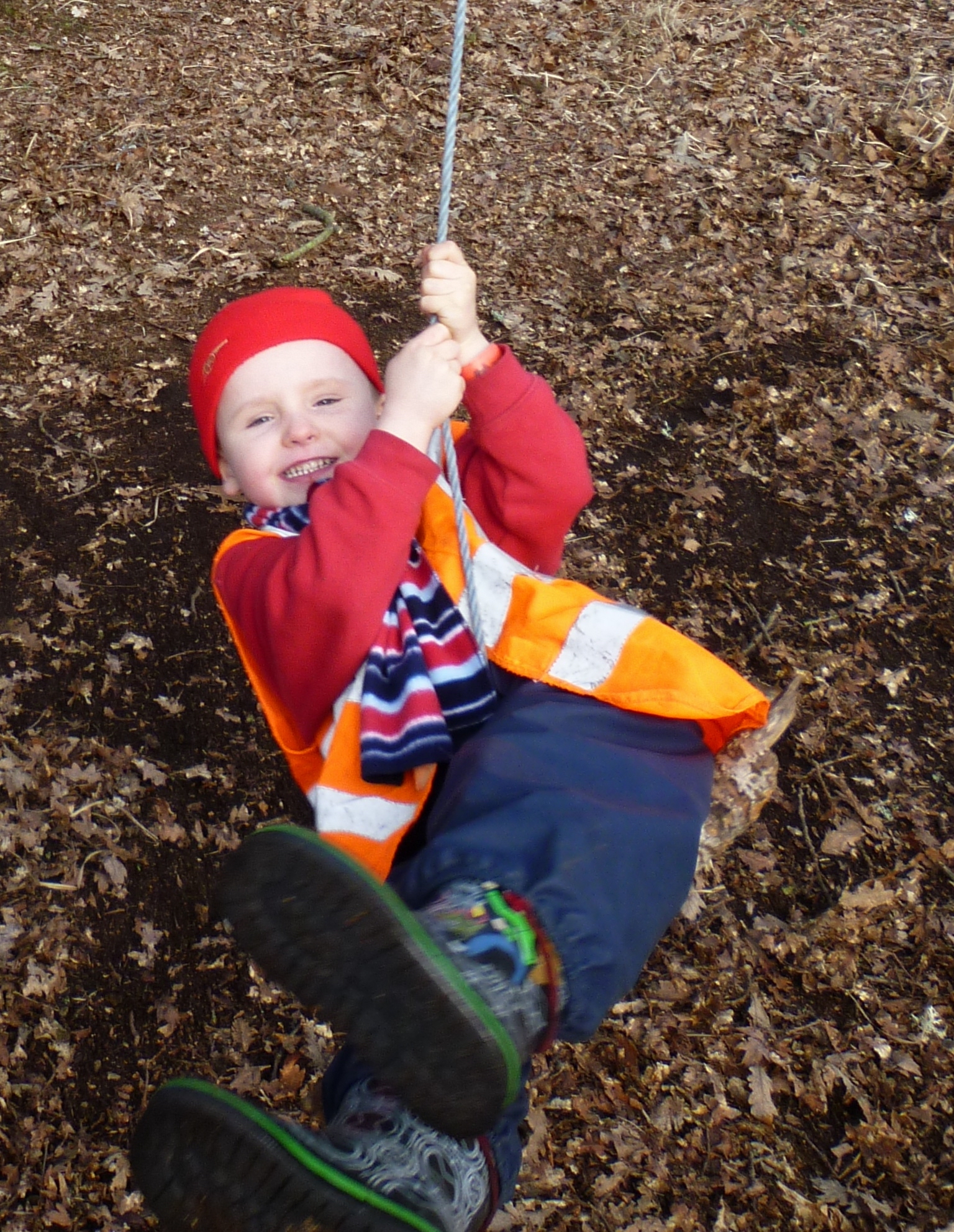
4-year-old boy on a rope swingI am pleased to announce that this Autumn, I will be putting on some training on risk, targeted at schools. The workshops, organised by the Council for Learning Outside the Classroom (CLOtC), will look at why outdoor learning and play matter, what a balanced, thoughtful approach to risk looks like, and how this can be developed in schools. The half-day sessions will be repeated in four venues across England in Sept, Oct and Nov. See the end of this post for dates and venues, and head to this CLOtC web page for bookings.

Continue reading

A revealing tale of rope swings and insurance (that ends well)

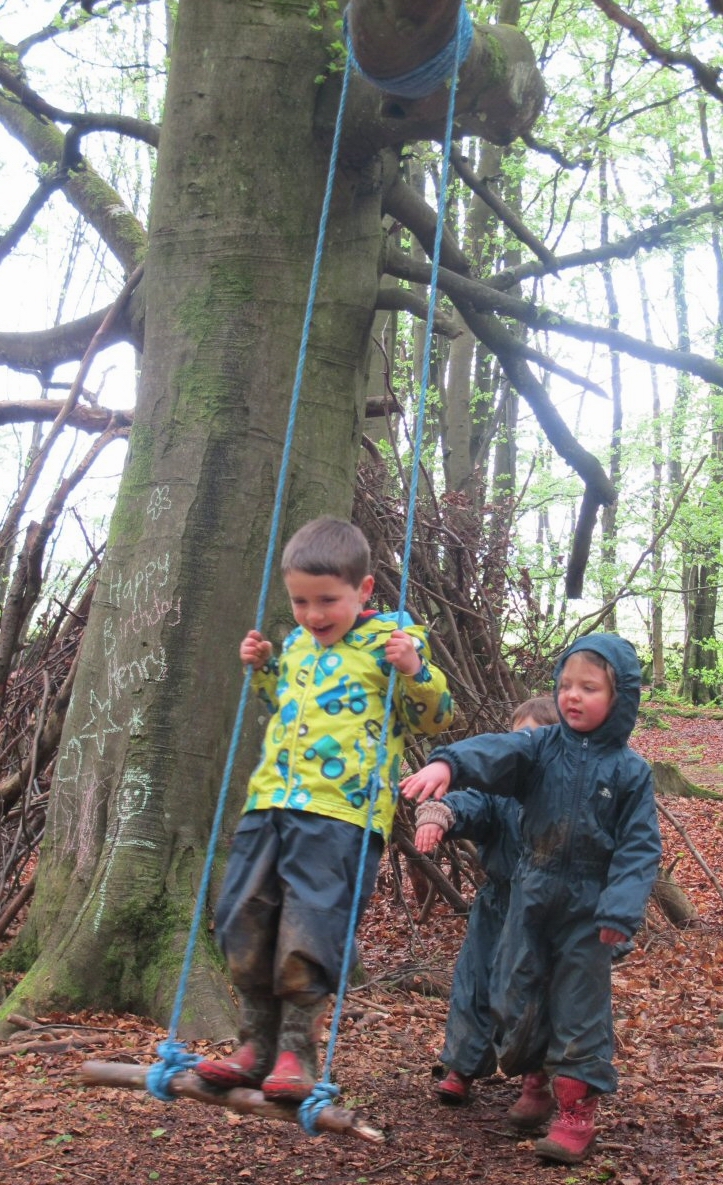
3 young children swinging on a rope swing in the woodsA few weeks ago I was approached by outdoor educator Mandy Tulloch, who told me that some insurers were getting into a bit of a tangle about rope swings. As you will see, her story held some revealing insights into the approach the insurance industry sometimes takes when assessing the risks that it is presented with. Her tale also showed the value of a firm, assertive stance when dealing with insurers.

Continue reading

When street play went primetime

Here is the item on street play that was broadcast on The One Show last Monday (24 June 2013). It focuses on the road closure session in Worthing that I described in my post from a couple of weeks ago (and yes, I do pop up a couple of times, flying the flag for outdoor play).

Continue reading

Do Aussies like children more than Brits do?

Hoodie in a frame

Photo by Feral78 from flickr

I am pleased to say that I will be returning to Australia this July and August for another series of talks and workshops, visiting Melbourne, Perth, Adelaide and Brisbane. There is a full itinerary at the end of this post. My diary on this trip is very full, so I will have limited opportunities for additional visits and meetings. However, I will try to share some of my thoughts and experiences here, as on previous trips. One question has been on my mind for a while: are Aussies more well-disposed towards children as a group than we are in the UK? Does Australia as a nation care more about the freedoms it allows its children than we do here in the old country?

Continue reading

Lady Allen – the godmother of play – speaks

Here is a true gem from the archives of play: extended video footage of Lady Allen of Hurtwood. Lady Allen is the foremost figure in the history of children’s play in the UK (I reviewed her classic Planning for Playavailable as a pdf from the marvellous Playscapes blog – in a previous post). The video focuses on the staffed adventure playgrounds Lady Allen created in the 1960s and 1970s to provide play opportunities for disabled children, some of which continue today under the management of the charity Kids.

Some health warnings: at times the language used in the video to describe the children is old-fashioned, inappropriate, and even offensive to today’s ears – though in Lady Allen’s day the terms were standard. Also, the video is somewhat grainy and jumpy. Oh – and Lady Allen’s accent could cut glass at 20 paces. But do not let any of this put you off, or you will miss out on as clear a manifesto for adventurous play as you are ever likely to see.

Continue reading